You will do it next year. After the promotion. After the degree. Once the bank balance reaches another number. There is always a respectable reason to postpone the thing you say you want.
Meanwhile you are spending the one resource you cannot earn back. Time.
That is the point of this episode. I am less interested in another declaration of ambition than in what you will actually do this week. A grand plan that never changes your Tuesday is still a fantasy.
Waiting has a cost too
People are usually good at describing the risks of change. You might lose money. You might fail. You might have to explain why the thing didn't work. Those risks can be real and deserve serious thought.
But keeping everything the same also has a cost. Years spent in a job you dislike are years of your life. Delaying a skill means delaying the experience that would teach it. Postponing every adventure until some undefined point of security can turn into never having the adventure at all.
In the original recording I make the financial-downside argument very aggressively. The useful question is to examine both sides honestly. It would be wrong to assume everybody can live on the same small amount or that failure carries no financial consequences.
Work out your own circumstances. Then include the cost of doing nothing in that calculation. Otherwise you have called one option safe simply because its losses arrive quietly.
Stop moving the starting line
I remember earning well in work that didn't excite me. Another promotion promised more money, but it didn't answer the question of how I wanted to spend my days.
If your only condition for beginning is "a little more security," you may never reach it. There will always be another qualification, another saving target or another reason somebody thinks you should wait.
Starting doesn't have to mean burning down your existing life. It can mean giving a serious block of time to an idea, testing demand for something you can offer or practising a skill consistently alongside your obligations.
The important change is that the thing becomes real. You do some work, get feedback and discover what the next step requires. Now you are dealing with an actual problem instead of protecting a perfect idea from reality.
Make the next promise smaller and more serious
I hear people announce what they are going to do with women, fitness or business. They have the book. They watched the video. They are fired up. Fine. What happens after the message?
If the answer is nothing, the announcement was the activity. You got the feeling of taking action without the inconvenience of taking any.
Pick the first useful task and finish it. If you want to improve your dating life, make time to meet people and review what you learn. If you want to build something, make a small version somebody can actually use. Give the work regular space instead of waiting for a life with no competing demands.
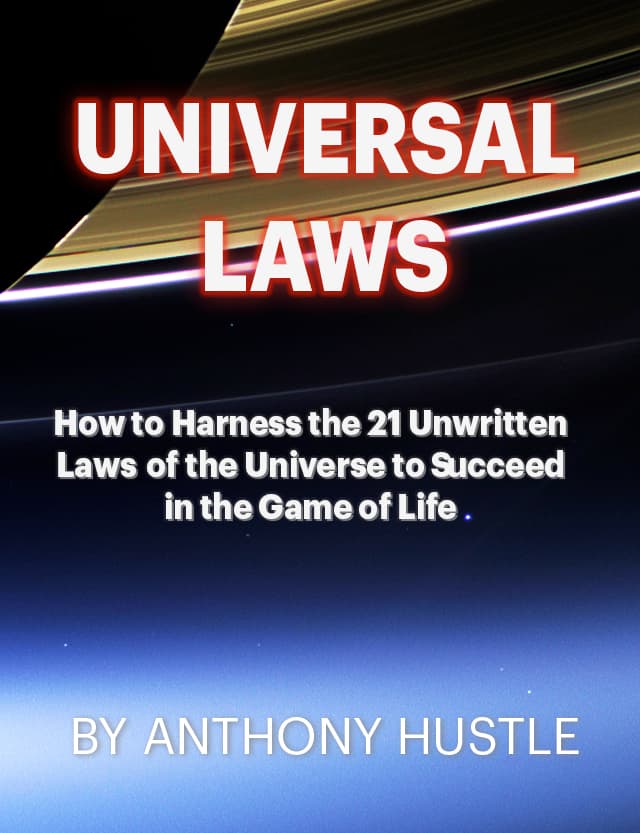
Universal Laws develops this way of thinking about opportunity, effort and learning. The point here is immediate. You don't need to know the entire future to stop postponing the next honest step. Choose it, put it in your day and do it.